Café Suppliers Sydney: Milk, Coffee, Bakery and Produce
A practical guide for Sydney café owners on sourcing the four things every café runs on: milk, coffee, bakery and produce. What to ask each supplier, how to compare offers and how to keep weekly ordering under control.
In the editor, click the HTML button and paste body.html. Or copy from the first line below down to the last FAQ answer.
Most Sydney cafés run on four core suppliers: a milk and dairy supplier, a coffee roaster, a bakery and a fruit and veg supplier. The right café suppliers in Sydney deliver early, before your morning rush, keep milk cold all the way to your fridge, and give you clear prices and terms. This guide covers what to look for in each one and how to keep the weekly ordering under control.
Key takeaways
Café suppliers Sydney owners rely on usually fall into four groups: dairy, coffee, bakery and produce, plus dry goods, packaging and cleaning.
Milk is a potentially hazardous food, so it must be kept at 5°C or colder from delivery to the jug.
In NSW, dairy vendors and distributors need a NSW Food Authority licence, so ask your milk supplier for theirs.
"Free" coffee machines from roasters are usually tied to a minimum bean order and an agreement. Read the exit terms before you sign.
Early delivery windows matter more for cafés than almost any other venue, because most stock is used before 11 am.
What café suppliers does a café in Sydney need?
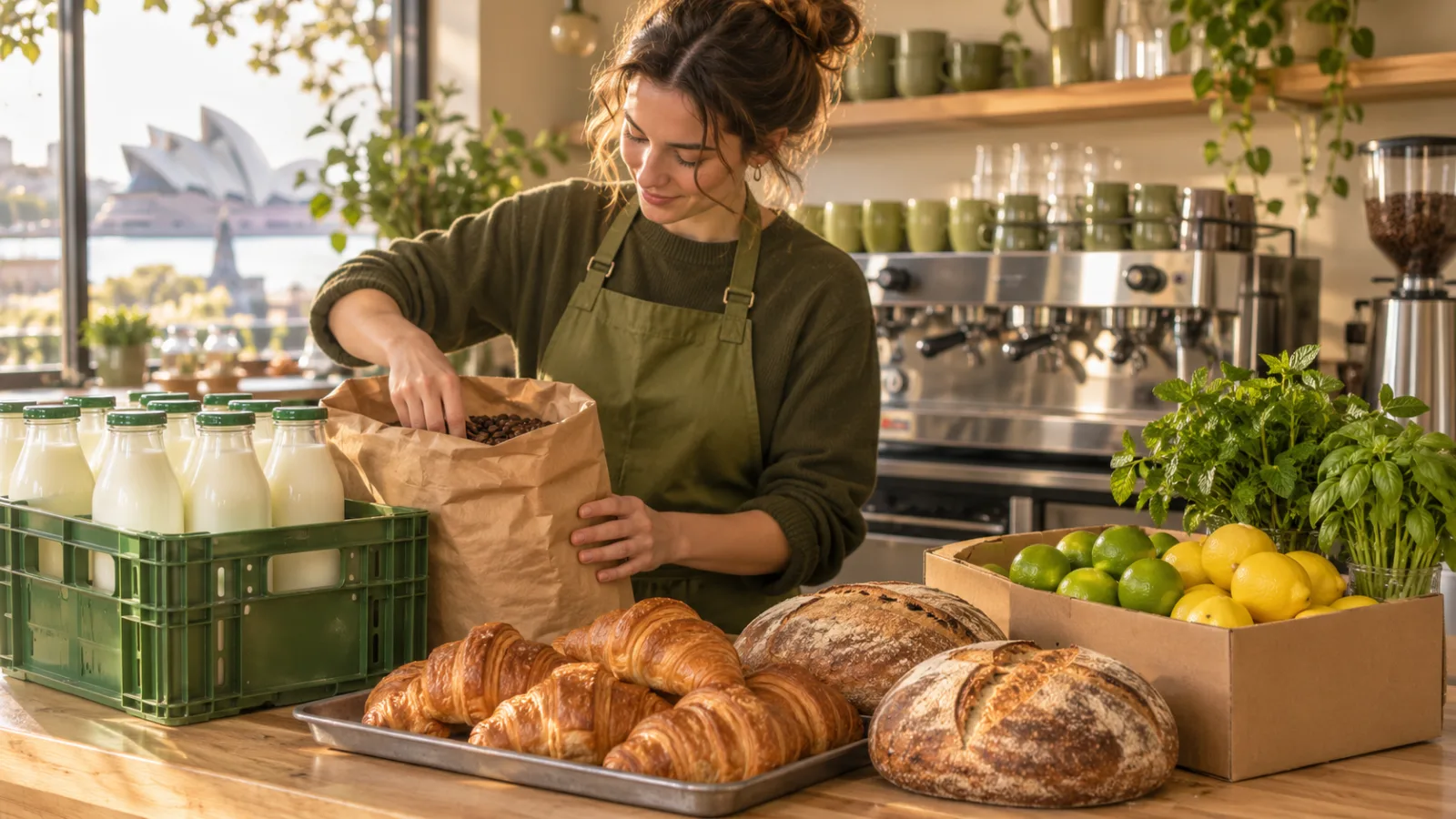
A café supplier is any business that sells stock or equipment to a café on trade terms, usually with regular delivery. A typical Sydney café buys from these groups:
Supplier | What they supply | Typical delivery | Key thing to check |
|---|---|---|---|
Milk and dairy | Full cream, skim, lactose-free, plant milks, cream, butter, yoghurt | Several times a week, early morning | Cold chain and delivery time |
Coffee roaster | Beans, sometimes machine, grinder and barista training | Weekly | Minimum kilos and agreement terms |
Bakery | Bread, sourdough, croissants, pastries, cakes | Daily or most days | Delivery before opening and cut-off times |
Fruit and veg | Avocados, tomatoes, lemons, salad leaves, herbs, fruit | Two to five times a week | Consistent quality and ripeness |
Dry goods and packaging | Sugar, syrups, cups, lids, takeaway packaging, cleaning products | Weekly or fortnightly | Minimum order and storage space |
Small cafés often combine some of these. A broadline supplier might cover dairy, dry goods and packaging, while the roaster and bakery stay separate.
How do you choose a milk supplier for a café?
Milk is usually the biggest weekly order for a café and the one that hurts most if it runs out or arrives warm.
Cold chain and food safety
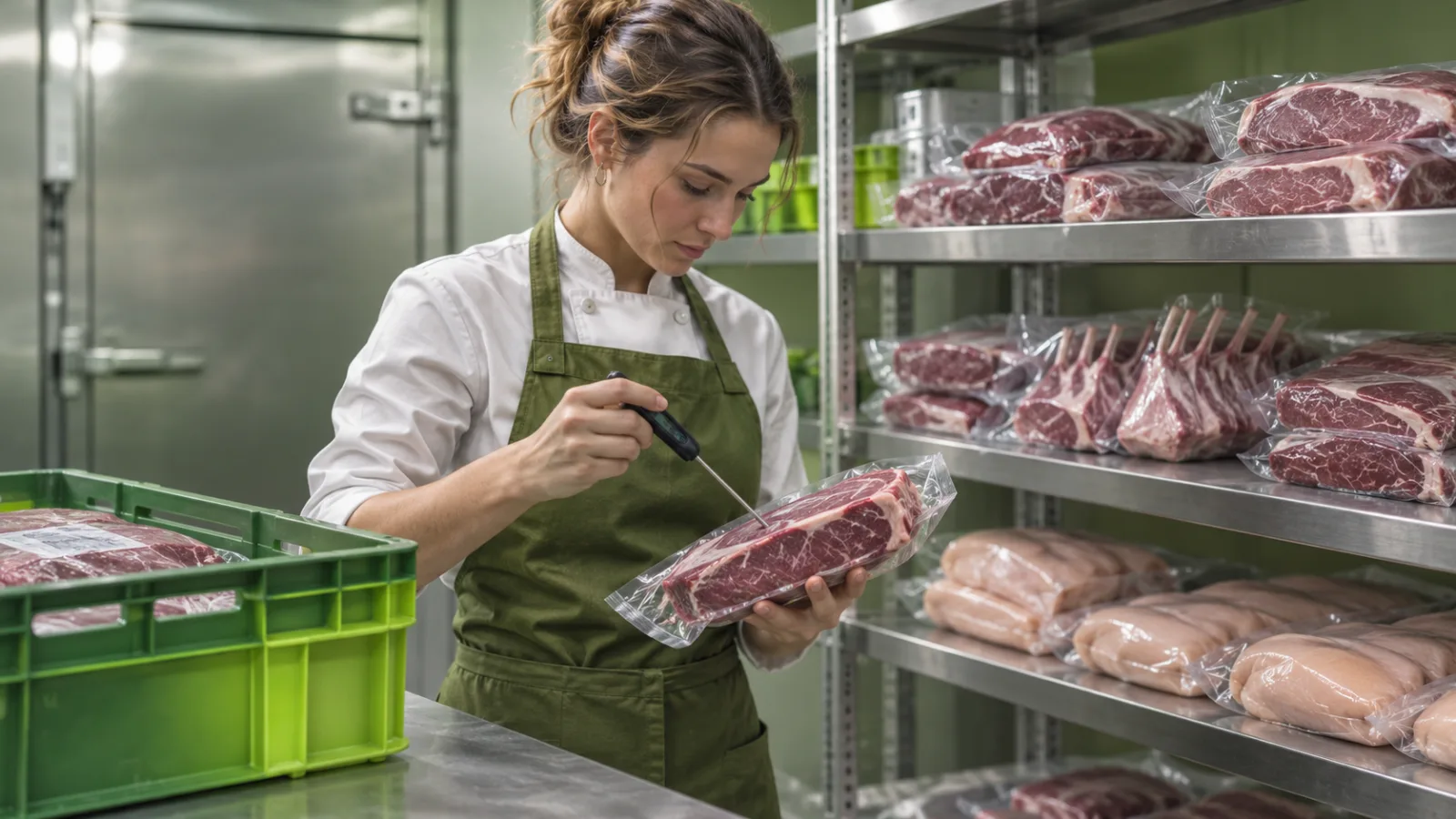
Milk, cream and other dairy are potentially hazardous foods. FSANZ guidance on keeping food at the right temperature lists dairy products like milk and cream among the foods that must be kept at 5°C or colder. Probe a carton on arrival, and do not let crates sit on the footpath before you open.
Licensing in NSW
Under the NSW Food Authority licensing rules, dairy producers, factories, stores and vendors must hold a Food Authority licence. Ask your milk supplier for their licence details before you open an account.
Questions to ask a milk supplier
What time will you deliver, and can you deliver before we open?
Can you leave stock in a locked fridge or cool box if we are not there yet?
Which milks do you carry, including lactose-free and plant-based options?
What is the minimum order per drop, and how many drops a week can I get?
How late can I change tomorrow's order?
How do you choose a coffee roaster for your café?
Your coffee is the product most customers judge you on, so choose the roaster on taste first, then on service and terms.
Taste a few blends. Ask two or three roasters for samples and taste them as milk coffees and as black coffee, since most Sydney orders contain milk.
Ask about training. Check whether the roaster trains your baristas and how often they visit to dial in the grinder.
Understand the equipment deal. Many roasters offer a machine and grinder "free on loan". The machine is usually paid for through your bean price and a minimum weekly order. Ask what happens if you buy less than the minimum or leave early.
Check servicing. Ask who pays for servicing and repairs, how fast they respond to a breakdown, and whether you get a loan machine while yours is fixed.
Read the agreement. Look for the term, exclusivity, minimum kilos, exit fees and who owns the equipment at the end.
Free-on-loan deals are changing. BeanScene reports that some roasters are moving away from free-on-loan models and asking for higher weekly volumes in return for equipment. Some cafés now buy or lease their own machine so they are free to switch roasters.
How do you choose a bakery supplier?
Bakery is about timing. Bread and pastries need to arrive before your first customers, and fresh every day.
Delivery window: confirm the latest time they will arrive and whether they deliver on weekends and public holidays.
Order cut-off: ask what time you must order for tomorrow, and whether you can adjust quantities on the day.
Range and consistency: taste the sourdough, croissants and any cakes, and check sizes are the same each day.
Fresh cream and custard items: the NSW Food Authority lists bakery products filled with fresh cream or custard as potentially hazardous, so they must be kept at 5°C or colder.
Waste: ask whether you can order in smaller lots, so you are not throwing out unsold pastries every afternoon.
How do you source fruit and veg for a café?
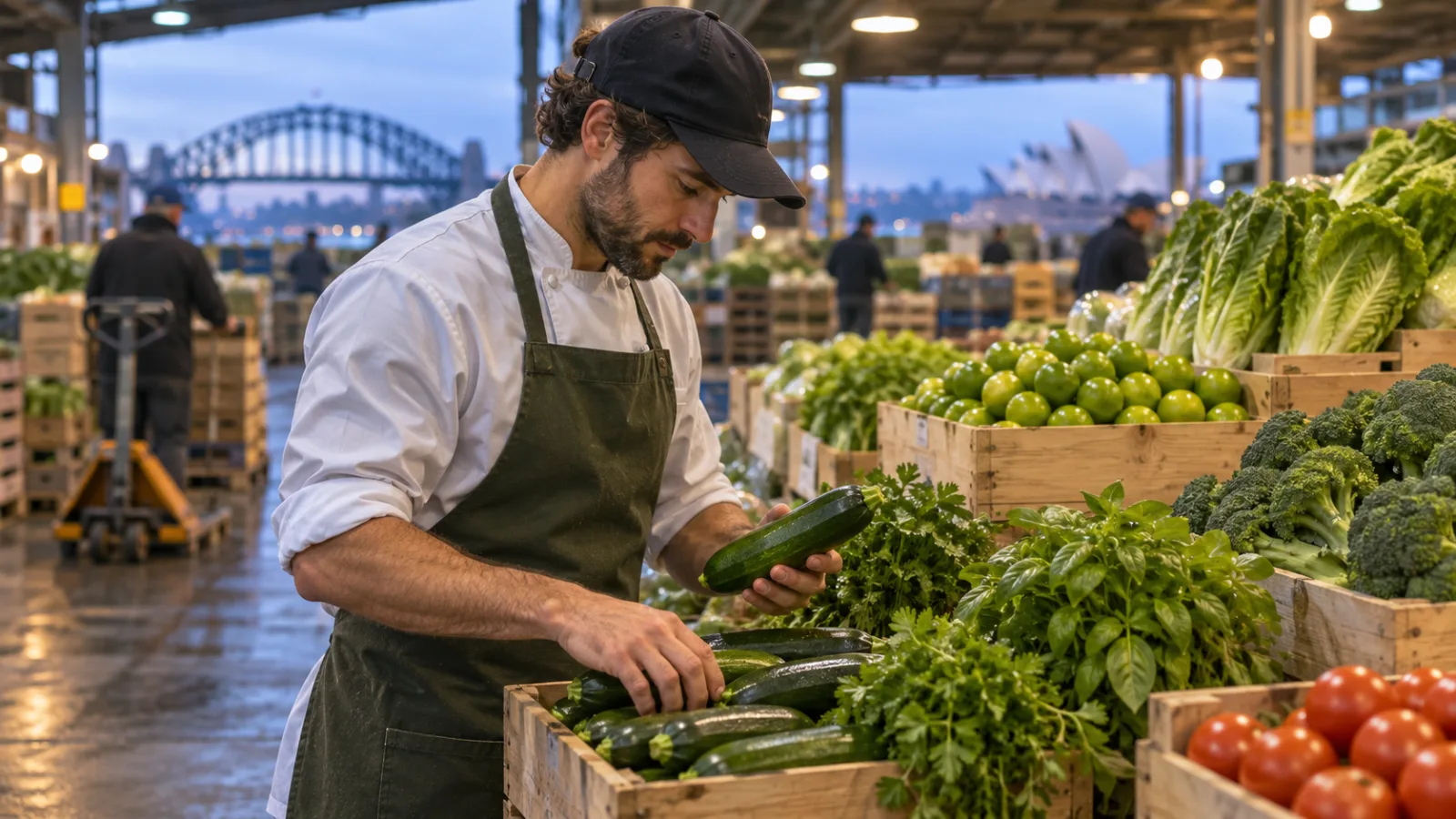
Cafés usually buy a short list of produce in steady amounts: avocados, tomatoes, lemons, salad leaves, herbs, mushrooms and seasonal fruit. A fruit and veg distributor that delivers several times a week is the simplest option for most cafés.
Avocados are the line to watch. Ask your supplier to deliver them at the ripeness you need, such as some ready to use today and some for later in the week, so you are not cutting hard fruit or binning overripe ones. For a deeper look at your options, read our guide on buying wholesale fruit and veg in Sydney from Flemington or a distributor.
What should every café supplier agreement include?
Whoever you buy from, get these terms clear in writing before the first order:
Delivery days, delivery window and order cut-off time.
Minimum order value and any delivery fee.
Prices, how often they change and how you will be told.
Payment terms, such as card on order or 7, 14 or 30 day accounts.
How shorts, damaged stock and credits are handled.
For roasters: minimum kilos, equipment ownership, servicing and exit terms.
Our wholesale food supplier checklist covers food safety, ABN checks and red flags in more detail.
How do you keep café ordering simple?
Five or six suppliers means five or six order cut-offs, delivery windows and invoices every week. A few habits keep it under control:
Set par levels. Write down how much milk, bread and produce you need for each day of the week, and order up to that level.
Order at the same time each day. Do all orders after close, before the earliest cut-off.
Check every delivery. Count items, probe the milk and note shorts on the docket before the driver leaves.
Match invoices to orders. Check prices on every invoice against what you expected to pay.
Review monthly. Look at price changes on your top lines and re-cost your menu if they move.
Ordering through one platform can help. foodsupplier.au lets Sydney cafés bring their existing suppliers into one account, including dairy, fruit and veg, dry goods, beverages and packaging, order across them in one cart and match invoices to orders in one place.
FAQ
What suppliers does a new café need in Sydney?
Most new cafés need a milk and dairy supplier, a coffee roaster, a bakery and a fruit and veg supplier. On top of that, you will need suppliers for dry goods, takeaway packaging and cleaning products. Some broadline suppliers cover several categories, which cuts down the number of accounts you manage.
What temperature should café milk be kept at?
Milk, cream and other dairy products are potentially hazardous foods under the Food Standards Code. They must be kept at 5°C or colder during delivery, storage and display. Probe a carton when it is delivered, store it straight away and keep jugs of milk out of the fridge for as short a time as possible.
Do coffee roasters give cafés free coffee machines?
Many roasters offer machines and grinders "free on loan", but the cost is usually built into the bean price and tied to a minimum weekly order and a fixed-term agreement. If you buy less or leave early, exit fees may apply. Read the agreement carefully and ask who owns and services the equipment.
Does a milk supplier need a licence in NSW?
Yes. Under NSW rules, dairy producers, factories, stores and vendors must hold a NSW Food Authority licence. Cafés themselves notify their local council instead. Check that your milk supplier holds a licence and ask for the details before you open an account.
How often should a café get deliveries?
Most Sydney cafés get bakery daily or most days, milk several times a week, and fruit and veg two to five times a week. Coffee beans usually come weekly, and dry goods and packaging weekly or fortnightly. Match delivery frequency to your fridge space and how fast you use each line.
How can a café reduce supplier costs?
Set par levels so you do not over-order, compare prices on your top lines every month, and check every invoice against what you ordered. Ask suppliers about volume pricing, and review roaster agreements before they renew. Cutting waste on milk, bread and produce often saves more than chasing a lower unit price.