How to Choose a Wholesale Food Supplier in Sydney (Checklist)
A practical checklist for Sydney restaurants and cafés choosing a wholesale food supplier: food safety and NSW rules, cold-chain delivery, minimum orders, payment terms, ABN checks and how to trial a new supplier before you switch.
To choose a wholesale food supplier in Sydney, check five things before price: food safety compliance, cold-chain delivery, delivery days that match your prep, clear minimum orders and payment terms, and how they handle shorts and credits. The cheapest case price rarely stays cheapest if the stock arrives warm, late or short. Use the checklist below to compare suppliers side by side and trial one before you switch.
Key takeaways
The right wholesale food supplier Sydney venues can rely on is judged on reliability, food safety and total cost, not the case price alone.
Under the national Food Standards Code, chilled potentially hazardous food should arrive at 5°C or colder, and frozen food should arrive frozen hard.
In NSW, wholesalers and transporters of some foods must hold a NSW Food Authority licence or notify the Authority, so ask which applies to your supplier.
Check every new supplier's ABN and GST status before you pay the first invoice.
Trial a new supplier on a small range for two to four weeks before you move your full order.
Most venues end up with a mix: one main supplier plus specialists for meat, seafood or produce.
What is a wholesale food supplier?
A wholesale food supplier is a business that sells food and kitchen products in trade quantities to restaurants, cafés, caterers and other food businesses, usually on account and with delivery to the venue. Unlike a supermarket, a wholesaler sells by the case, carton or kilo, sets minimum orders and runs fixed delivery days for each area.
In Sydney, that covers everything from large broadline distributors to a family-run butcher in the inner west, a seafood wholesaler near Pyrmont, or a produce merchant buying at Sydney Markets in Flemington each morning.
Which type of wholesale food supplier suits your Sydney venue?
Most Sydney venues use more than one type of supplier. The right mix depends on your menu, how much storage you have and how often you can take deliveries.
Supplier type | Best for | Strengths | Watch out for |
|---|---|---|---|
Broadline distributor | Dry goods, frozen, dairy, packaging, cleaning | Wide range, one invoice, set delivery runs | Higher minimums, less flexibility on specials |
Specialist (butcher, seafood, bakery) | Proteins and items your menu is built on | Product knowledge, custom cuts, consistent quality | Separate orders, invoices and cut-off times |
Produce merchant (buys at Flemington) | Fruit, veg and herbs | Daily fresh stock, seasonal advice, substitutions | Prices move week to week with the season |
Cash and carry | Top-ups and emergencies | No minimum, buy what you see | You collect it, so it costs staff time and fuel |
A small café might run on one broadline distributor and one produce merchant. A busy restaurant often adds a butcher, a seafood supplier and a bakery on top.
What should a wholesale food supplier checklist include?
Use these ten checks for every supplier you are considering. Ask each supplier the same questions so you are comparing like with like.
1. Food safety and NSW compliance
Ask whether the supplier holds a NSW Food Authority licence or has notified the Authority. The NSW Food Authority licensing and notification rules require certain businesses, including some food transporters and businesses handling meat, seafood, dairy and eggs, to hold a licence, and require unlicensed wholesalers to notify the Authority. Ask for their licence or notification details and any recent audit result.
2. Cold-chain delivery
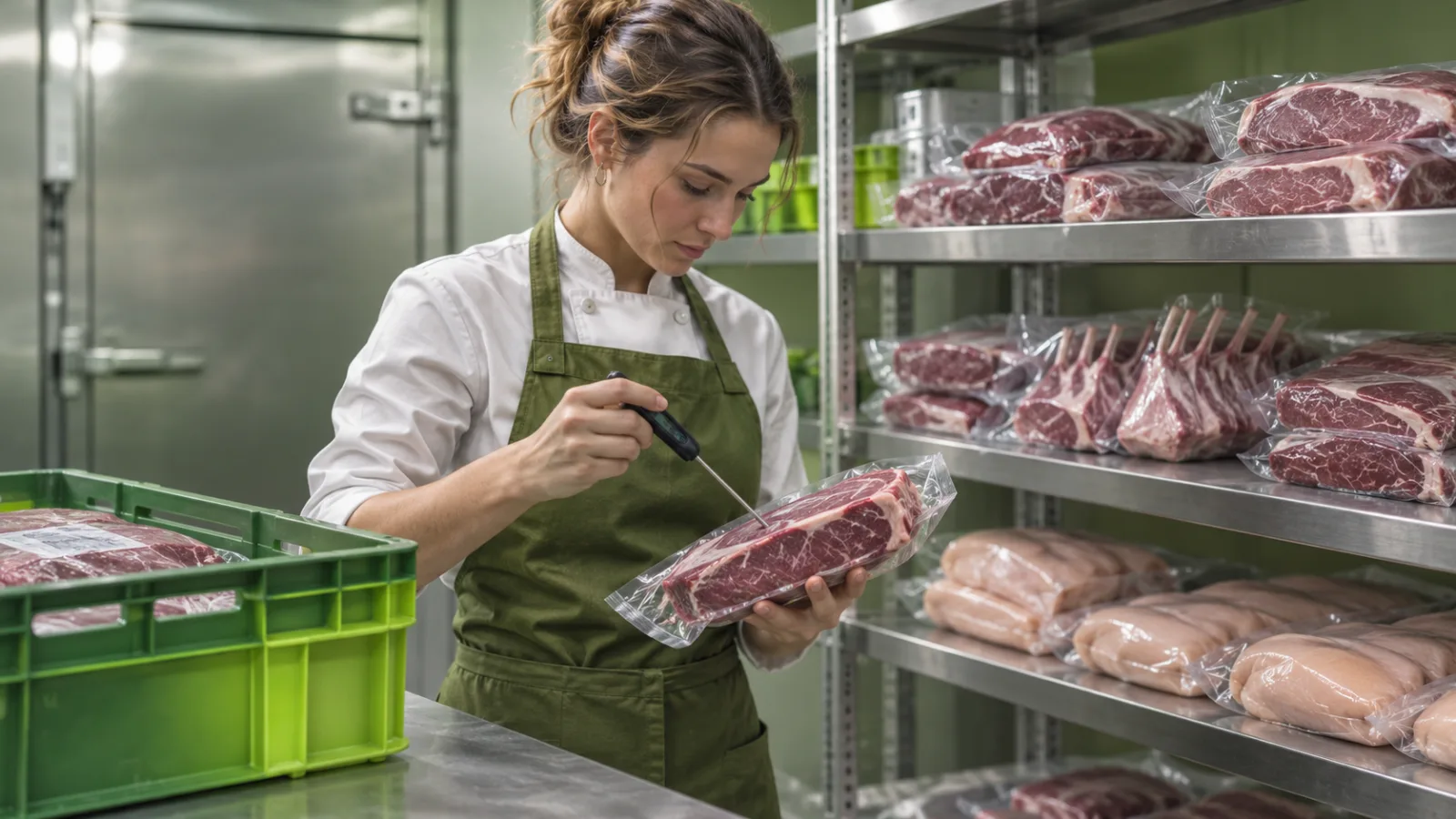
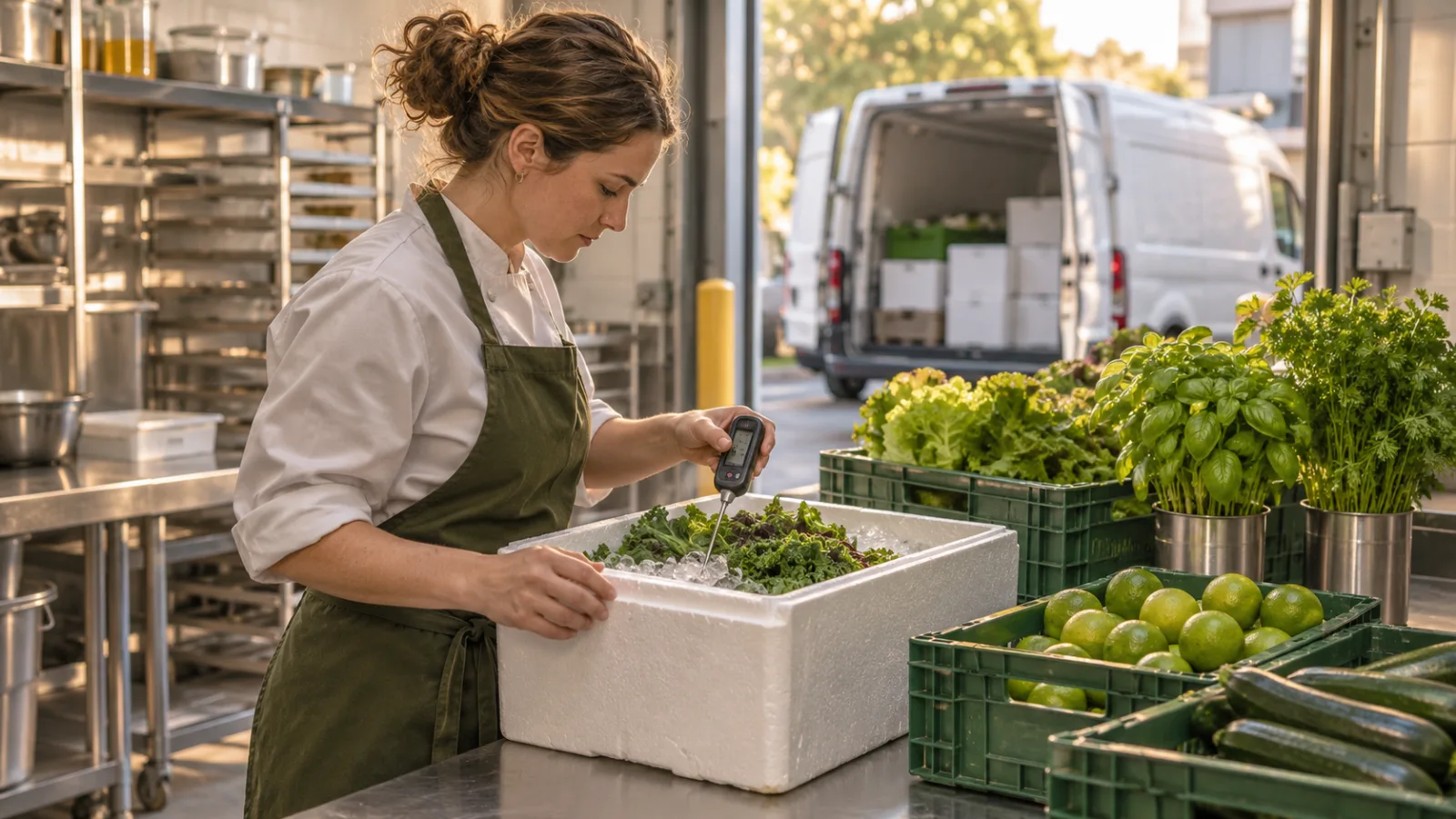
Under Standard 3.2.2 of the Food Standards Code, your venue must take practical steps to accept potentially hazardous food only at a safe temperature. The FSANZ guidance on receiving food says chilled food should arrive at 5°C or colder, hot food at 60°C or hotter, and frozen food frozen hard. Ask whether deliveries come in refrigerated vehicles and whether drivers will wait while you probe the stock.
3. Delivery days and cut-off times
Check which days they deliver to your suburb, the delivery window and the order cut-off. A supplier that delivers to Parramatta on Tuesdays and Fridays is no use if your big prep day is Thursday. Ask what happens on public holidays.
4. Minimum order and delivery fees
Ask for the minimum order value per delivery and any fee if you fall under it. A low case price with a high minimum can push you to over-order and waste stock.
5. Pricing and how often it changes
Ask whether prices are fixed for a period, change weekly or are quoted on the day. Fresh produce and seafood move with the season, so ask how you will be told about price changes before you order, not after the invoice lands.
6. Shorts, substitutions and credits
Every supplier runs out of something. Ask how they tell you about shorts, whether they substitute without asking, and how quickly they issue a credit for missing or damaged stock.
7. Payment terms and account setup
Ask whether they want card on order, cash on delivery or trade terms such as 7, 14 or 30 days. Confirm how invoices are sent and whether they show the GST correctly.
8. ABN and GST status
Before you pay the first invoice, search the supplier on ABN Lookup. Confirm the ABN is active, the business name matches the invoice, and, if they charge GST, that they are registered for GST. Your accountant will thank you at BAS time.
9. Range and consistency
Ask for a full product list and samples of your key lines. Check that the same product, size and grade turns up every time. Inconsistent sizing on chicken breasts or portioned fish breaks your menu costing.
10. Ordering and communication
Ask how you place orders: phone, text, email, an app or an online portal. Ask who your contact is if something goes wrong at 6 am. A supplier that is easy to reach and quick to fix problems is worth more than a few cents off a case.
What food safety checks should you do on a new supplier in NSW?
Food safety is the one area where a bad supplier can hurt your venue's name, not just your margin. Do these checks before the first delivery:
Licence or notification: ask which applies and get the details in writing.
Name and shame register: search the supplier on the NSW Food Authority name and shame register, which lists businesses that have breached or are alleged to have breached NSW food safety laws.
Delivery temperatures: agree in writing what temperature chilled and frozen food will arrive at.
Labelling and traceability: check that cartons show the product, supplier and use-by or best-before date.
Your receiving log: probe and record temperatures for the first few deliveries so you have a baseline.
Reject any delivery of potentially hazardous food that arrives outside the safe temperature, and note it on the delivery docket.
What questions should you ask a wholesale food supplier before ordering?
Keep this list handy for the first phone call or rep visit:
Which days do you deliver to my suburb, and what is the order cut-off?
What is your minimum order, and is there a delivery fee?
Do your trucks keep chilled food at 5°C or colder and frozen food frozen hard?
Do you hold a NSW Food Authority licence or have you notified the Authority?
How do you tell me about shorts and price changes?
How fast do you issue credits, and what proof do you need?
What payment terms do you offer to new accounts?
Can I talk to two venues of a similar size that you supply now?
How do you trial and switch to a new food supplier?
Switching all at once is risky. Run a short trial so you can compare the new supplier against your current one on real orders.
Audit your current spend. Pull the last four to eight weeks of invoices and list your top 20 to 30 lines by spend.
Get like-for-like quotes. Send the same list, with sizes and grades, to two or three suppliers.
Check compliance and ABN. Run the food safety and ABN checks above before you open an account.
Trial a small range. Move one category, such as dry goods or produce, for two to four weeks.
Track every delivery. Record arrival time, temperature, shorts, substitutions and invoice accuracy.
Compare total cost. Include delivery fees, credits, waste and staff time, not just unit price.
Move the rest in stages. If the trial works, shift more categories one at a time and keep your old supplier as a backup for a few weeks.
What are the red flags when choosing a food supplier?
They cannot tell you whether they are licensed or notified with the NSW Food Authority.
Chilled stock regularly arrives warm, or frozen stock arrives partly thawed.
Prices on the invoice do not match the quote, and nobody told you.
Substitutions turn up without a call or message.
Credits take weeks or need repeated follow-ups.
The ABN on the invoice is cancelled or does not match the business name.
Very low opening prices that rise sharply once you are locked in.
Should you use one supplier or several?
One supplier means fewer invoices and one delivery to receive, but it leaves you exposed if they short you or put prices up. Several suppliers give you better quality on key lines and a backup when something runs out, but mean more orders, cut-offs and invoices to manage.
Most Sydney venues land somewhere in the middle: one main supplier for dry, frozen and dairy, plus specialists for meat, seafood and produce. The admin is the hard part. A platform like foodsupplier.au lets you bring your existing suppliers into one account and fill one cart across them, with each supplier's minimum order and delivery days checked before you submit. It also matches invoices to orders, which makes it easier to spot shorts and price changes.
How do you review a supplier after you sign up?
Choosing a supplier is not a one-off job. Review your main suppliers every quarter:
Compare what you ordered with what was delivered and invoiced.
Check price movements on your top 20 lines.
Count late deliveries, temperature rejections and credits.
Re-check that your dish costs still work at today's prices.
If you want more guides on ordering, supplier management and menu costing, browse the foodsupplier.au blog.
FAQ
How do I find a wholesale food supplier in Sydney?
Start by asking other chefs and venue owners nearby who they use, then shortlist two or three suppliers for each category you buy. Ask each one the same questions about delivery days, minimum orders, cold-chain delivery, payment terms and credits. Trial the best option on a small range before moving your full order.
What temperature should chilled food be delivered at?
Under the national Food Standards Code, chilled potentially hazardous food such as meat, seafood and dairy should be delivered at 5°C or colder. Hot food should arrive at 60°C or hotter, and frozen food should be frozen hard. Probe deliveries on arrival and reject anything outside these limits.
Does a food supplier need a licence in NSW?
It depends on what they handle. In NSW, businesses that handle meat, seafood, dairy or eggs, and some food transporters, need a NSW Food Authority licence. Wholesalers that do not need a licence must notify the Food Authority instead. Ask your supplier which applies and request the details in writing.
How many food suppliers should a restaurant have?
There is no set number, but most restaurants use one main supplier for dry goods, frozen and dairy, plus specialists for meat, seafood, produce or bread. That gives you quality on key lines and a backup when something runs out. Keep the list small enough that you can manage orders and invoices.
How do I check if a food supplier is legitimate?
Search their ABN on the government's ABN Lookup to confirm it is active, matches the business name and shows GST registration if they charge GST. Then check the NSW Food Authority name and shame register, ask for their licence or notification details, and ask for references from venues similar to yours.
How long should I trial a new food supplier?
Two to four weeks on one category is usually enough to see a pattern. Track delivery times, temperatures, shorts, substitutions and invoice accuracy on every order. If the supplier performs well, move more categories in stages and keep your previous supplier as a backup until you are confident.